
Preparing Your Visa Application File: Common Mistakes and How to Avoid Them
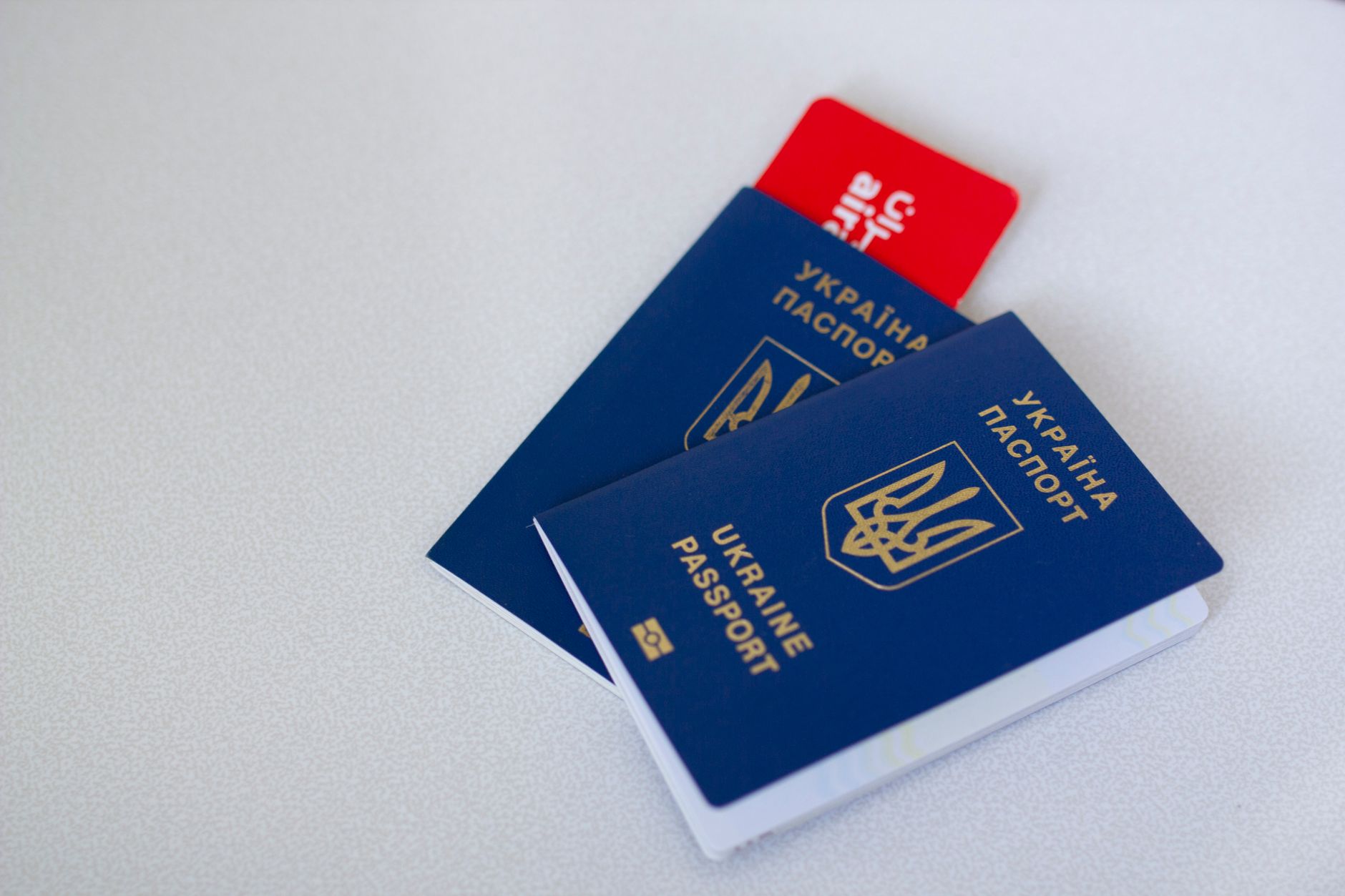
Photo by Borys Zaitsev on Pexels (https://www.pexels.com/@mrborys)
Learn about the common mistakes applicants make when preparing their visa files and how a professional approach can help prevent visa denials.
Introduction: The Visa Application File as a Key Prerequisite
For foreign nationals living in Georgia, obtaining a Polish or Schengen visa is a significant process that requires great responsibility. Often, applicants spend considerable time booking appointments at the embassy or planning their travel, yet they overlook the most crucial part: the accuracy of the application file. A small error in documentation can easily become grounds for a visa refusal or unnecessary delays in the process.
What Is a Visa Application File and Why Is It Decisive?
Your application file is the only means by which a consular officer learns about your intentions, financial situation, and personal history. When you submit your documents, you are effectively telling them who you are and why you are traveling to the Schengen Area. Any ambiguity or inconsistency will raise further questions, which often lead to a negative outcome.
Common Mistakes You Must Avoid
There are several critical points in the visa preparation process that require special attention:
1. Discrepancies Between Documents
Applicants often submit documents that contradict each other. For example, a work invitation might specify one date, while your hotel reservation or flight ticket covers a completely different period. Remember that all documents, including travel insurance, must be synchronized.
2. Incomplete or Incorrectly Completed Application Form
Filling out the application in the e-konsulat system requires maximum precision. Errors in passport details, date of birth, or selecting the wrong visa type automatically lower your chances. Always double-check information against your biometric passport data.
3. Inadequate Justification of Financial Guarantees
The consulate wants to ensure you have the funds for your trip. A bank statement that does not reflect real turnover or is not in the proper format is a frequent cause for refusal. Do not forget that financial documents must be recent and authentic.
4. Violation of the 90/180 Day Rule
The 90/180-day rule for staying in the Schengen Area is strictly controlled. If you have been to Europe before and miscounted your days, your application will likely be rejected automatically. Always monitor your travel history.
How to Identify Risks Early?
When evaluating your own file, ask yourself: Is every document current? Does the work invitation match the terms specified in the contract? Is the travel insurance valid for the Schengen territory?
If you have doubts while preparing your documents or want to avoid human error, professional consultation is the best solution. eurovisa.ge offers services for completing electronic visa applications and conducting comprehensive document checks to make your application more persuasive.
Conclusion
Getting a visa is not a matter of luck. It is a systematic process of following procedural steps. A high-quality file that includes all necessary certificates, insurance, and a correctly filled-out application is the key to your success. Avoid mistakes that could compromise your career progression and travel plans to Europe.
Didn't find your answer?
Book a free consultation - we will answer you directly.
Book a Free Consultation